Many gated communities, condo buildings and apartment complexes in the DC area still run their front gate or lobby entry on a copper phone line. A visitor finds a name in the directory, the panel dials the resident, and the resident presses a key to open the gate. That setup worked for decades. Now the copper network behind it is being retired, and boards and property managers are starting to get carrier notices, rising line bills or a gate that suddenly stops calling out. This guide explains what is changing and the options for keeping your entry system working.
What Is Changing With Copper Phone Lines
Traditional copper landlines, often called POTS lines (“plain old telephone service”), are being phased out across the country. Federal rules have been loosened step by step to make that easier for the phone companies:
- In 2019 the FCC ended the requirement for large phone companies to lease copper voice lines to competitors at regulated rates.
- In 2026 the FCC adopted new rules that speed up copper retirement. Carriers now post copper retirement notices on their own websites instead of going through an FCC public notice process, and requests to stop offering legacy voice service can be approved automatically after 31 days (Federal Register, April 2026).
Locally, Verizon is the traditional phone company in DC, Maryland and Virginia. In September 2026 it published a notice that copper will be retired on or after December 10, 2026 in 211 Virginia wire centers, including the one serving Falls Church, and warned that customers may be moved off copper before that date (Verizon Virginia notice). Verizon’s broader request to discontinue legacy copper voice in nine states was pulled from automatic approval after Virginia officials objected, so the timing is still moving. Verizon also lists telephone switch retirements in Maryland and DC on its network disclosure page.
The short version: even where your line still works today, it is on borrowed time, and you may get less notice than you would like.
Why It Matters for Your Gate or Lobby Entry
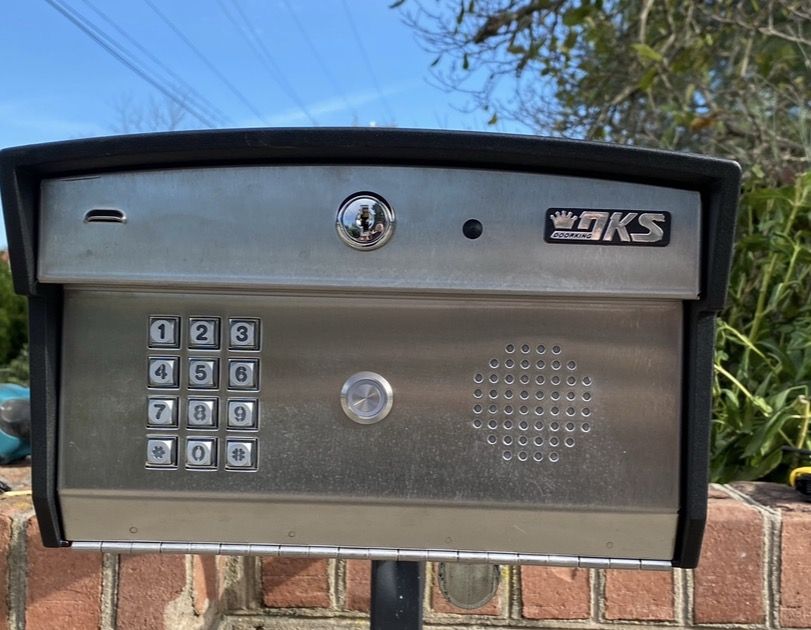
A classic telephone entry panel expects a real copper line. DoorKing’s installation manual for its 1819 model, for example, calls for a touch-tone, loop-start line from the phone company and checks the line voltage before dialing. It lists a bad phone line or low ring voltage as a reason the unit will not answer, and “touch-tone 9 will not activate relay” as a fault to troubleshoot (DoorKing 1819 manual).
When the carrier moves a building off copper, it may offer a wireless home-phone box in place of the line. Verizon says its Voice Link product is not compatible with monitored security systems, and it only runs as long as its battery lasts during a power outage (Verizon). An entry panel plugged into a replacement like that may work, work badly or not work at all.
Common signs your entry phone line is in trouble:
- Visitors hear static, or the panel can’t get a dial tone
- Residents answer but pressing the key doesn’t open the gate
- The panel stops calling out after a storm or a carrier visit
- The phone bill for the line keeps going up

Your Options
You don’t have to replace a working panel just because the phone line is going away. There are three common paths.
1. Keep the panel, swap the phone line for cellular
For many DoorKing systems, the simplest fix is a cellular communicator. DoorKing’s DKS Cellular units connect over 4G LTE. A voice-only model is sold to replace POTS lines, and versions with data also let your installer push directory and code changes over the cellular connection from DoorKing’s account software. DoorKing says the monthly fee is typically less than the cost of a business phone line (DoorKing). Older panels may need a hardware update, so check the model first.
2. Move to a cellular-native system
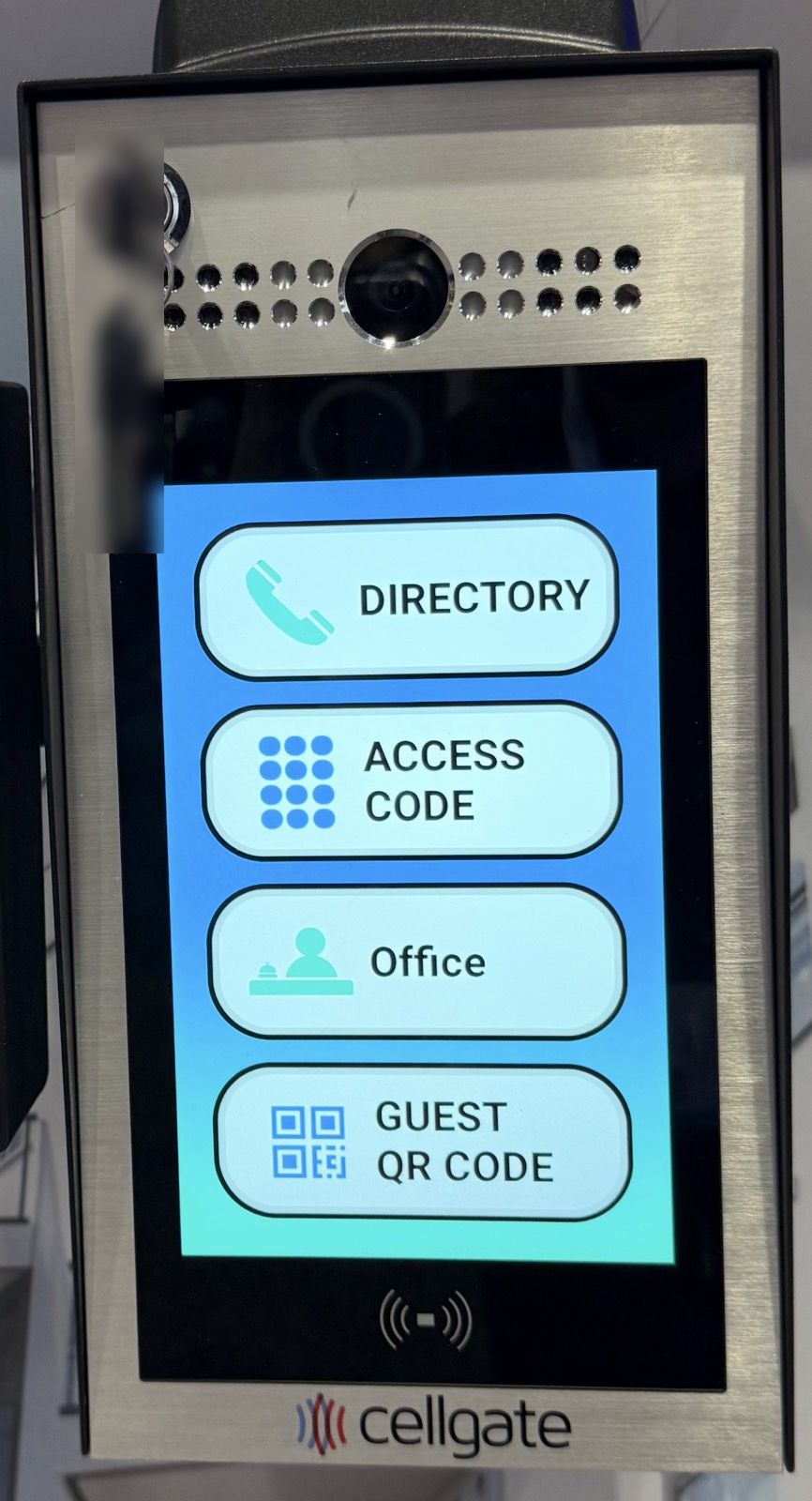
CellGate panels are built to run on cellular from the start, with no phone line, and are managed from a cloud portal on a monthly plan. They suit gates and entrances where running a network cable is hard or expensive.
3. Move to a VoIP or app-based intercom
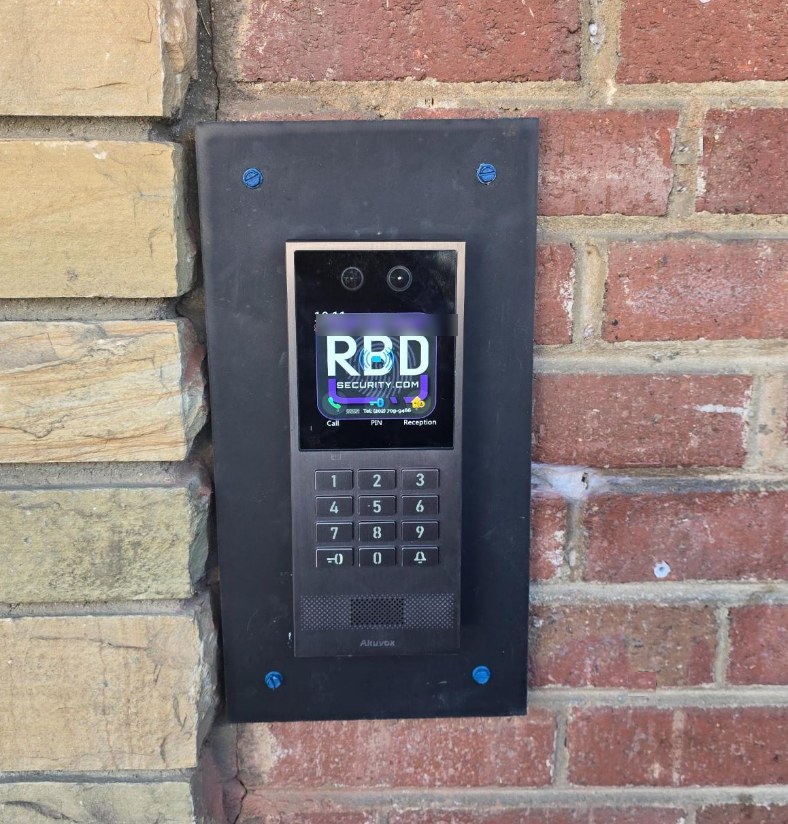
Modern IP intercoms such as Akuvox and 2N connect over the internet. Residents can answer on a smartphone app, and the panel can also call ordinary phone numbers through a SIP (VoIP) phone service. 2N added calling to standard landlines and mobile phones through its My2N cloud in 2025 (2N). This option adds video, guest passes and delivery codes, and it fits best where the entrance already has, or can get, a reliable network connection.
Cellular or VoIP: How to Choose
| Cellular | VoIP / app-based | |
|---|---|---|
| Needs a network cable at the gate | No | Yes, or a wireless bridge |
| Keeps your existing panel | Often, with a communicator | Usually a new panel |
| Monthly cost | A cellular service fee | A SIP or cloud fee, depending on the brand |
| Video and app features | Depends on the system | Built in |
| Best for | Remote gates, simple upgrades | Lobbies and gates with good internet |
Whichever you choose, ask your installer:
- Does our panel model support a cellular communicator, or does it need replacing?
- What is the monthly fee, and who is billed for it?
- Can residents be added and removed remotely?
- What happens during a power or internet outage?
Check the Other Phone Lines in Your Building
The entry panel is usually not the only system on a copper line. Elevator emergency phones and fire alarm communicators often use them too, and both have their own code requirements and inspections. Plan those changes with your elevator contractor, your fire alarm company and the local inspector, so the whole building moves off copper on purpose instead of one surprise at a time.
How RBD Security Helps
RBD Security installs, programs and remotely manages telephone entry systems for HOAs, condo associations and apartment buildings across DC, Maryland and Northern Virginia. We work with DoorKing, CellGate, 2N and Akuvox, over cellular, VoIP or the phone line you have today. We can test your current line, tell you whether your panel can stay, and price a cellular or VoIP upgrade before your carrier forces the issue. For the bigger picture on entry systems, see our guides to apartment intercom upgrades and cloud vs. on-site systems for condo buildings.
Frequently Asked Questions
Will my gate stop working when the copper line is retired?
It can. Telephone entry panels that dial out over a copper line need that line, or a compatible replacement, to call residents. If the carrier moves you to a service the panel doesn’t work with, visitors won’t be able to reach residents through the panel.
Can we keep our DoorKing panel?
Often, yes. Many DoorKing systems can use a DoorKing cellular communicator in place of the phone line. Older models may need a hardware update. We can check your model and tell you.
Is cellular cheaper than a phone line?
Often. DoorKing says its cellular service fee is typically less than a business phone line. The exact cost depends on the system and the plan.
Do residents need a landline to use the system?
No. The panel can call residents’ cell phones, and app-based systems let residents answer with video on their phones.
Get Your Entry System Checked
Call RBD Security at (202) 709-9466 or request a quote. We’ll check your gate or lobby entry line and recommend the simplest way to keep it working.