What an ADA door operator does
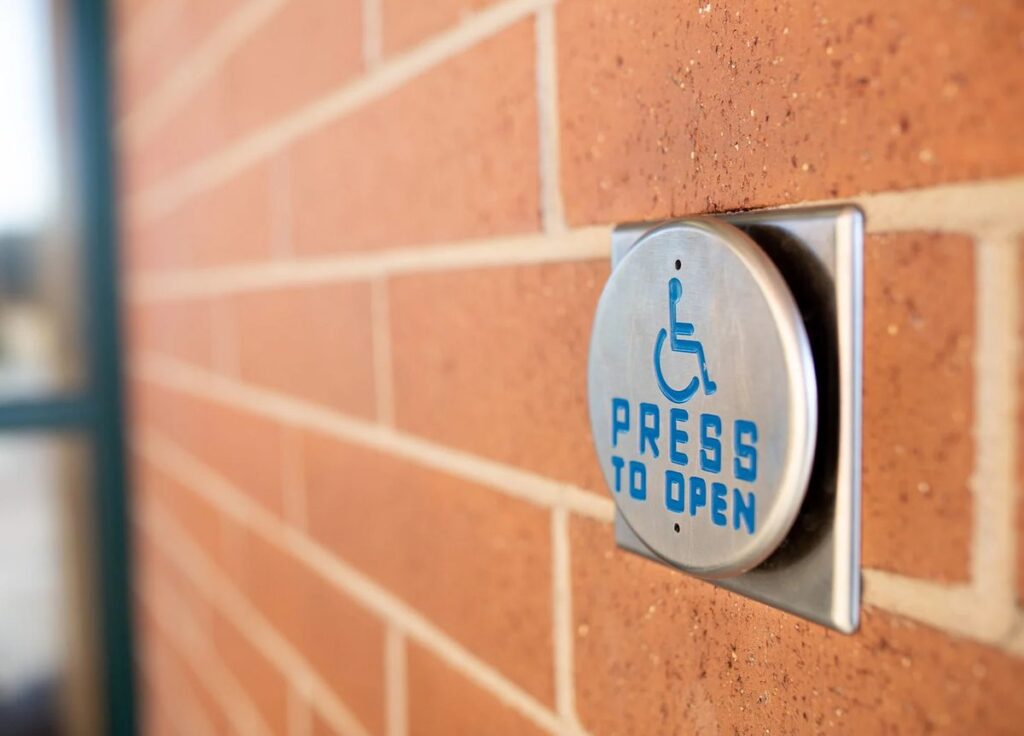
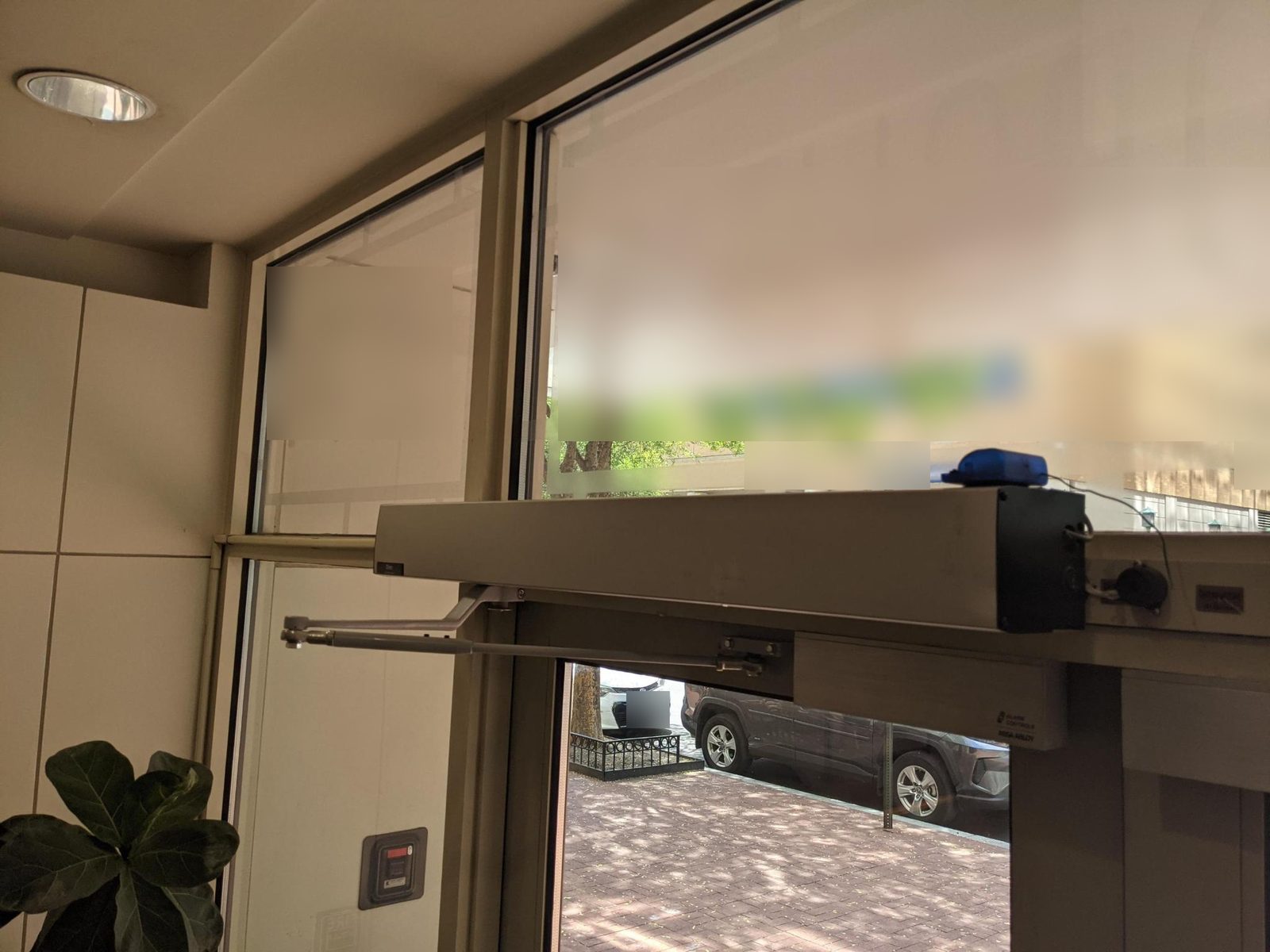
An automatic door operator is a powered arm mounted above a swinging door. When someone presses a push plate, waves at a touchless sensor or presents a fob, it opens the door, holds it, and closes it again. Most “ADA operators” are low-energy swing operators added to an ordinary door so that people using wheelchairs, walkers or strollers, or carrying packages, can get through without pulling a heavy door.
Low-energy and full-power operators
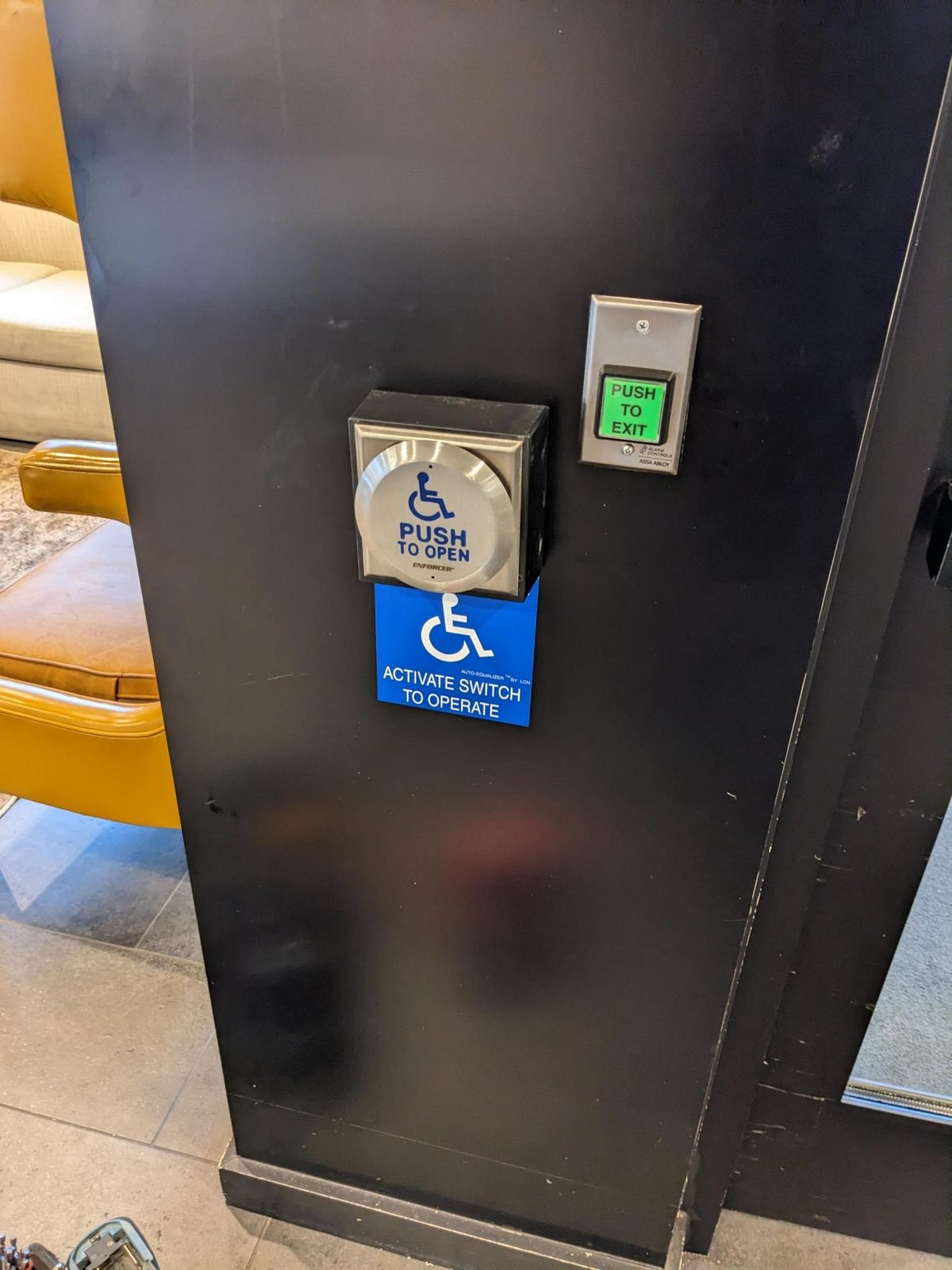
- Low-energy operators (ANSI/BHMA A156.19) open slowly and with limited force. They are usually activated by a push plate or wave sensor, and they are the standard choice for accessibility retrofits on lobby, office and restroom doors.
- Full-power operators (ANSI/BHMA A156.10) open quickly when a motion sensor detects someone approaching, like a grocery store door. They need safety sensors and guide rails, and the industry calls for an annual inspection by a certified inspector.
Most buildings we work in need low-energy operators. We will tell you if your traffic or layout calls for full power.
What the codes say
The 2010 ADA Standards limit the opening force of interior hinged doors to 5 pounds. Exterior door force is left to local code. The ADA does not require automatic doors at most entrances, but an operator is often the simplest way to make a heavy, windy or tightly closed door usable.
Building codes are moving further. Newer editions of the International Building Code (2021 and later) require at least one power-operated door at the public entrances of larger assembly, business, mercantile and hotel buildings. DC’s construction codes are based on an earlier edition, so ask your architect or the DC Department of Buildings which edition applies to your project. We install to whatever standard they specify.
Making the operator work with the lock
The most common problem we fix is an operator pushing against a door that is still locked. An accessible door has to unlock and open in one step, so the operator and the lock must work together:
- An electric strike or electrified exit device releases when the button is pressed during open hours, or when a valid fob, card or phone credential is presented after hours.
- Access control integration lets the push plate work only on a schedule, or only after a resident badges in.
- A fire alarm interface makes the door behave correctly in an alarm.
- Vestibule sequencing opens the inner and outer doors in turn.
- Hold-open and closing speeds are set so the door is easy to use without staying open long enough to let someone tail in.
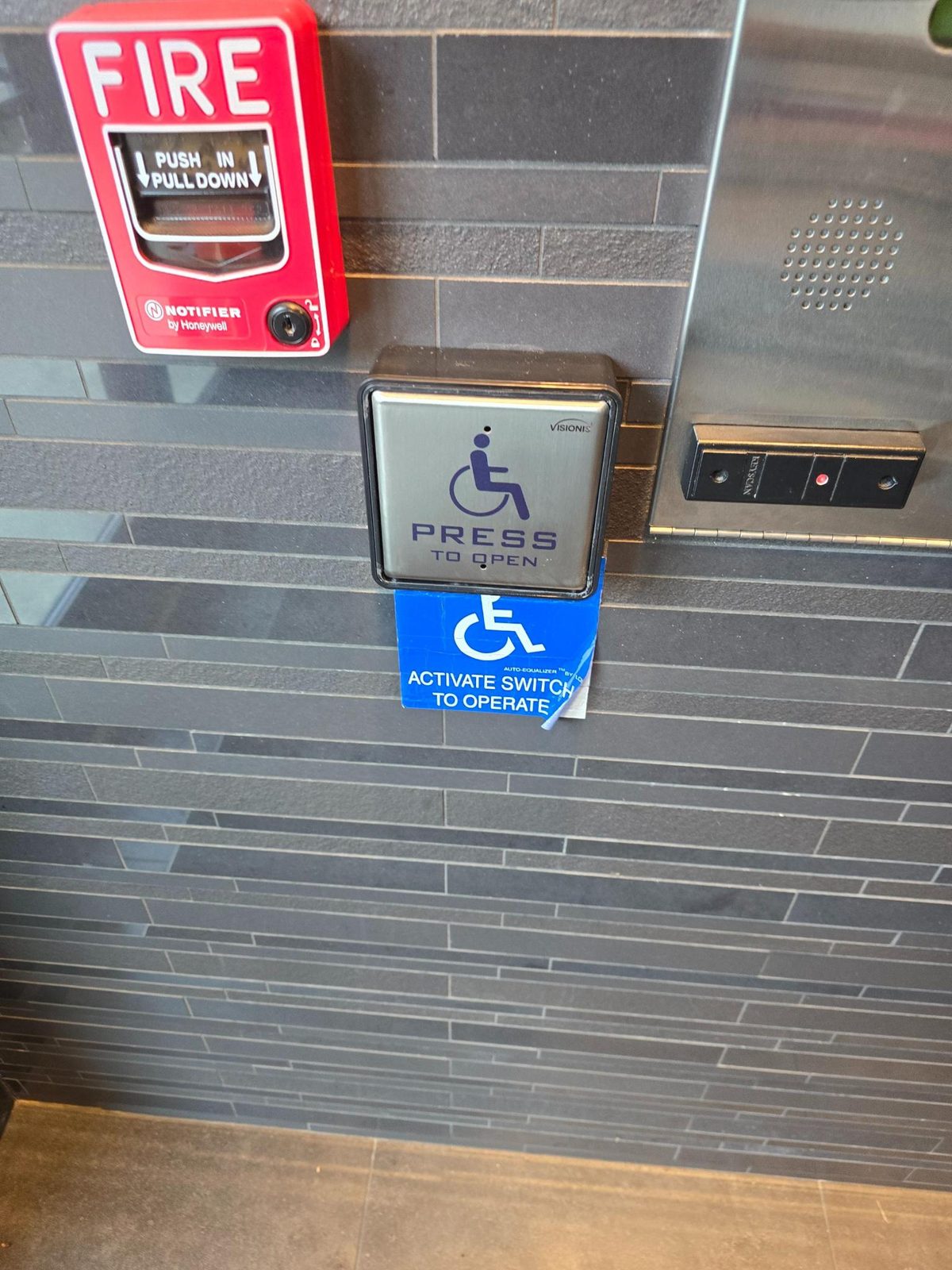
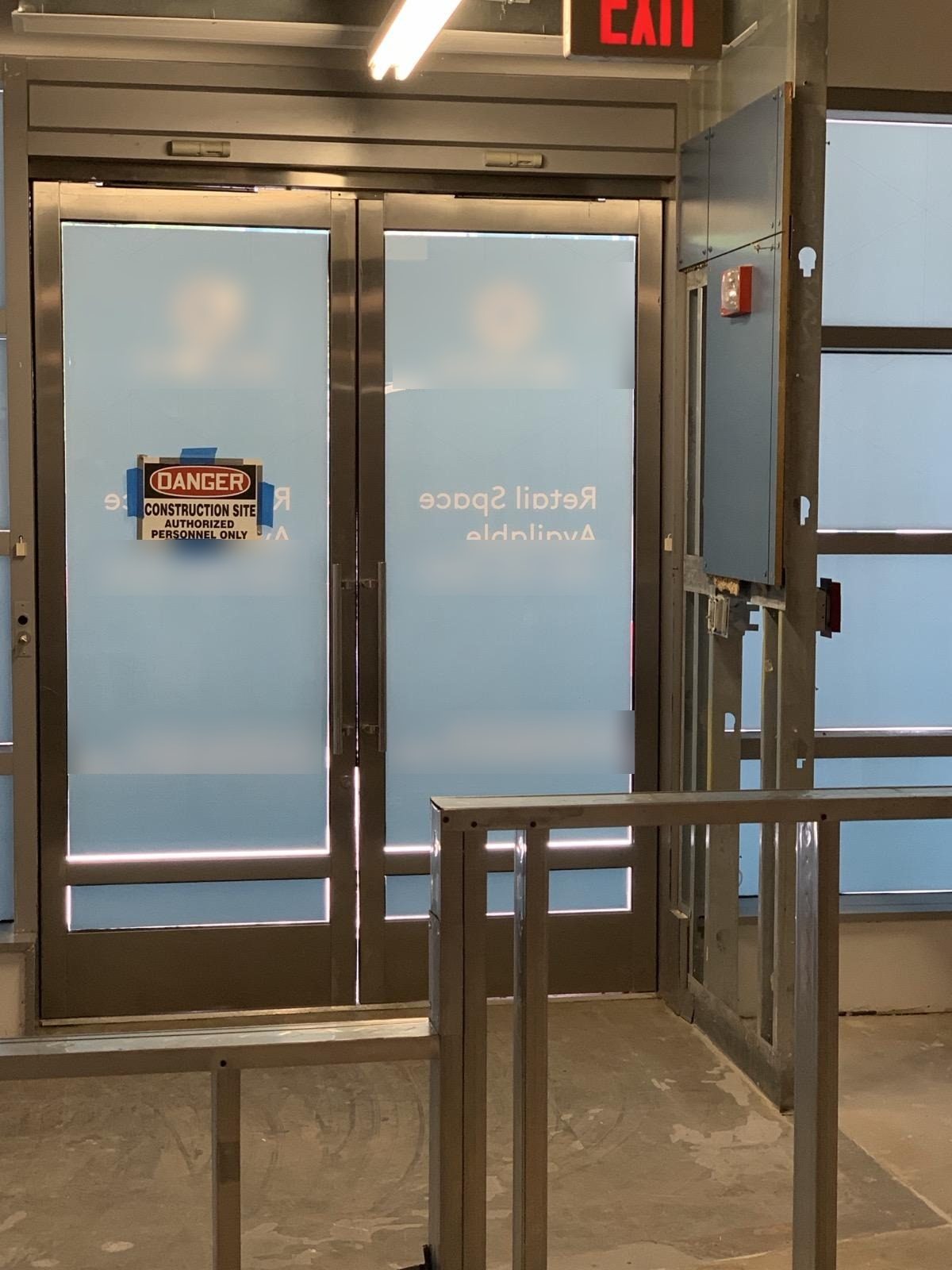
Because RBD Security is a locksmith and an access control installer, the operator, the lock hardware and the reader are set up by the same team. See our access control products and doors and door hardware.
Where we install them
- Condo and apartment lobbies, garage-to-lobby doors, and package and amenity rooms.
- Office suites, medical and dental offices, and clinics.
- Shops, restaurants and storefront glass doors, which RBD also services for grille locks and exit hardware.
- Houses of worship, schools and community buildings.
- Homes, for owners or family members who need a hands-free entry door.
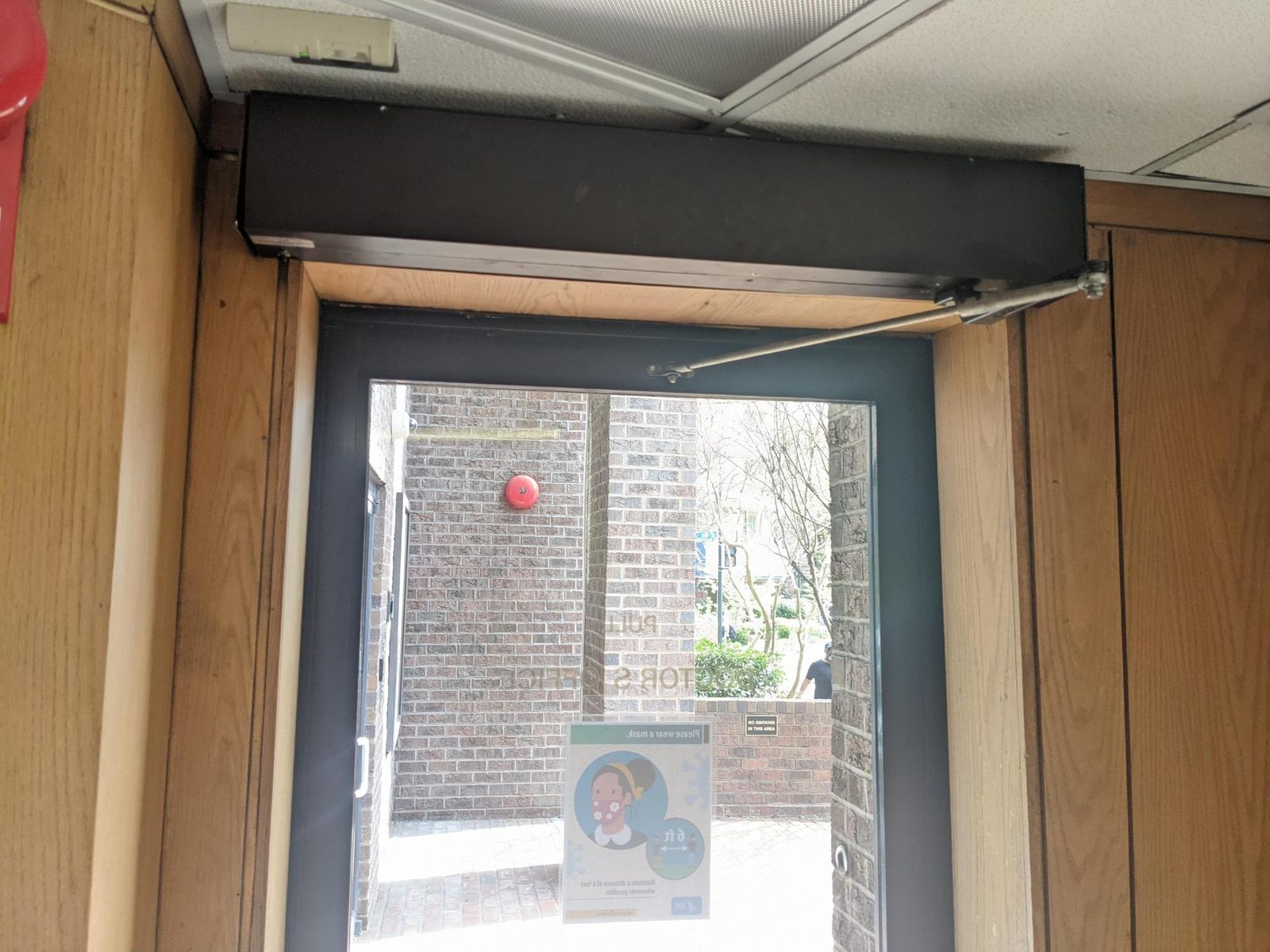
Condo boards weighing an operator alongside a new intercom or access control can see our guide to condo building security and cloud vs. on-site costs.
Repair and service
We service operators that open too fast or too slowly, slam or fail to close, fight the door closer, ignore the push plate, or stopped working after a power outage. Typical fixes are adjusting speeds and force, replacing push plates or wireless actuators and their batteries, and repairing the arm, hinges and strike that the operator depends on. Automatic doors should be checked daily by staff and serviced at least once a year.
Brands we install and service
We install and service automatic door operators from LCN, Arrow, Stanley and dormakaba, and we match the operator to the door, the traffic and the lock or exit device it has to work with.
Related services
- Commercial locksmith: exit devices, electric strikes, closers and hinges.
- Access control: readers, schedules and fire alarm interface for powered doors.
- Intercom systems: entry panels that release the door and trigger the opener.
Need an automatic door opener installed, repaired or tied into your access control? Call (202) 709-9466 or request a quote.