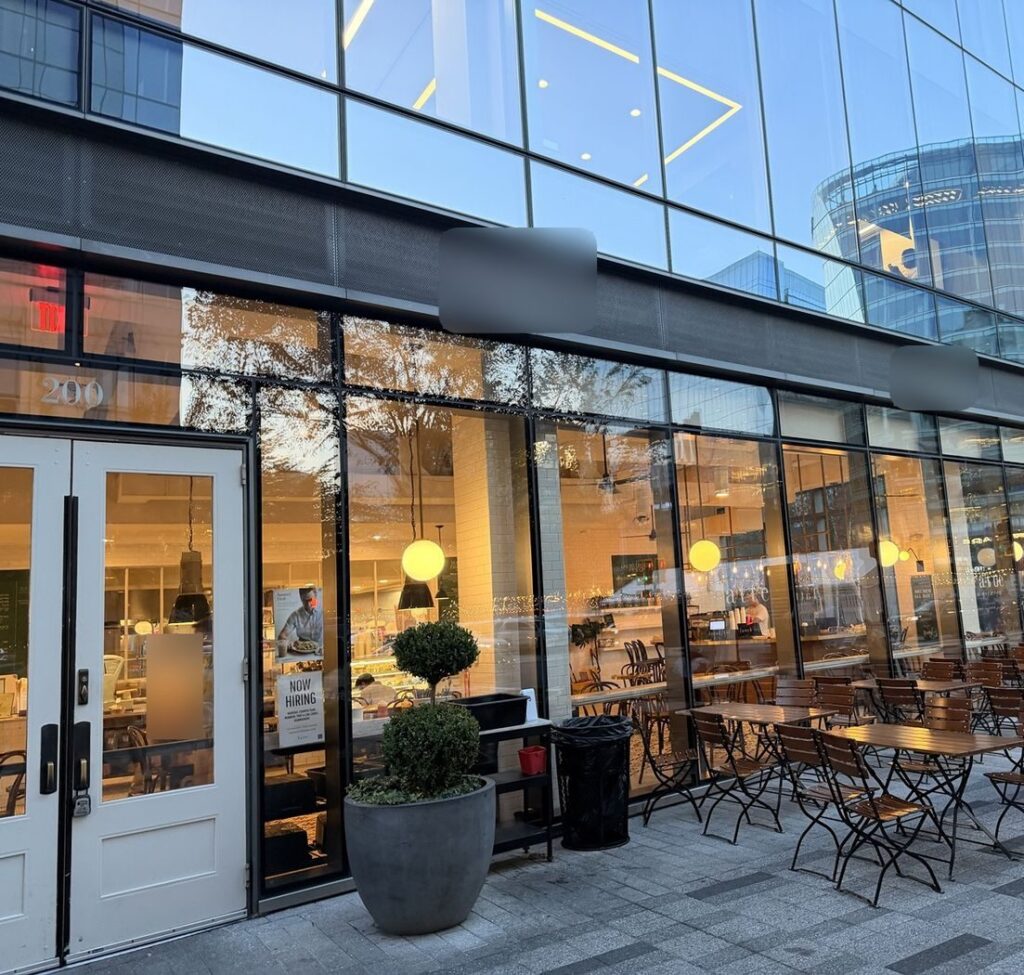
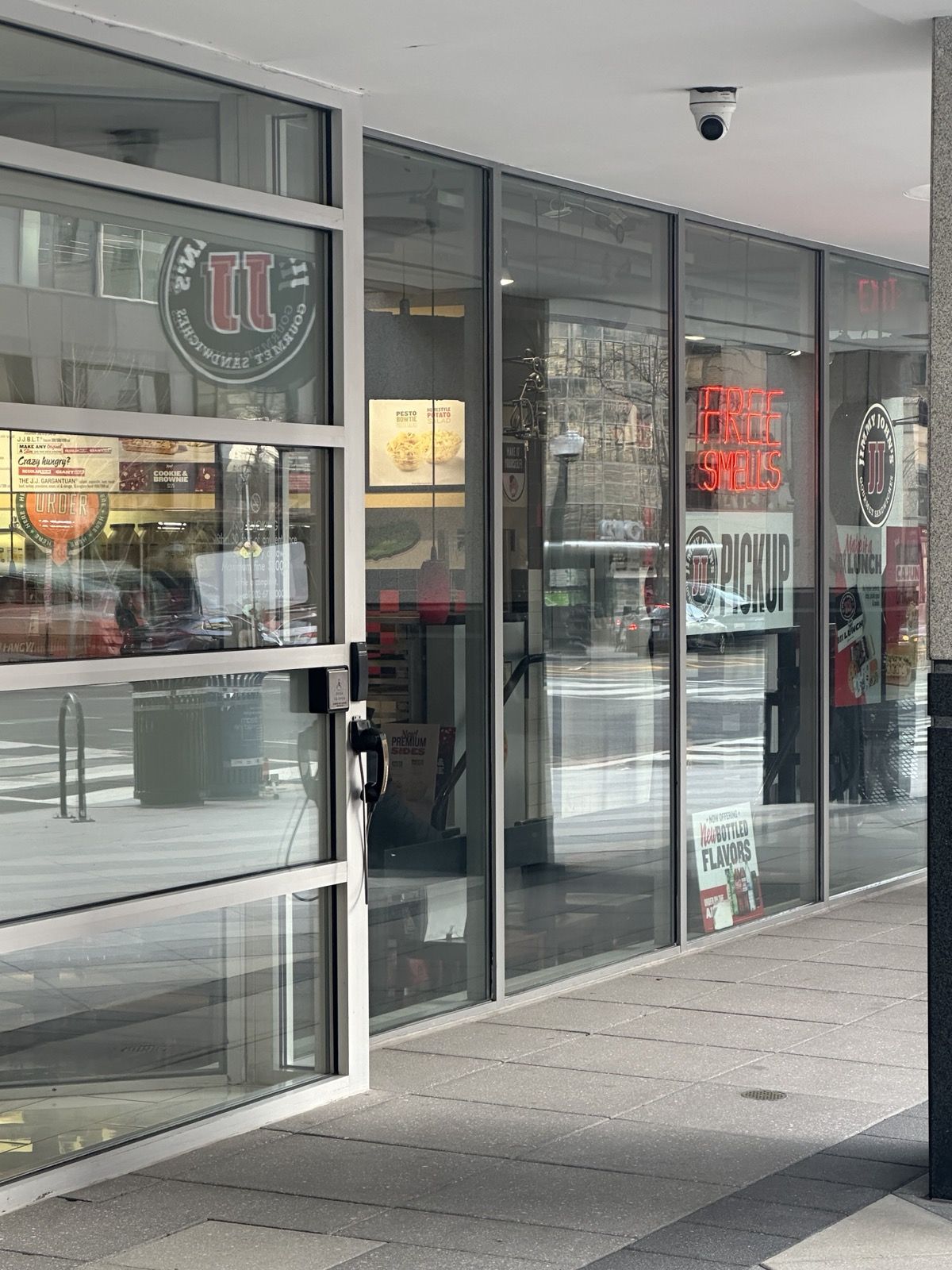
A DC storefront has a different set of problems from a house. The front door is usually an aluminum frame with a full glass panel, it is used hundreds of times a day, it has to let everyone out in an emergency without a key, and it is the first thing a burglar tests at 3 a.m. This guide covers how storefront doors lock, which hardware holds up, what the exit rules require, and how to manage keys when staff come and go.
How an Aluminum Glass Door Locks
Most storefronts use a narrow-stile aluminum door: a thin frame around a large pane of glass. There is no room in the stile for a residential deadbolt, so these doors use their own hardware families:
- Deadlatch. The everyday lock. A spring latch with a deadlocking feature, operated by a key cylinder outside and a thumbturn or lever inside. Adams Rite-style deadlatches are the standard, and most storefront doors in DC have one.
- Hook bolt or swing bolt deadlock. A hook-shaped bolt that throws into the frame and resists spreading the door away from the jamb. Common on pairs of doors and on sliding doors. A deadlatch plus a hook bolt is the usual combination for a door that must be secure after hours.
- Flush bolts or surface bolts on the inactive leaf of a pair of doors, which hold that leaf closed so the active leaf has something to lock into.
- Mortise cylinders with a cam. Storefront locks use standard mortise cylinders, which means they can be rekeyed, replaced with a high-security cylinder, or put on a master key system without changing the lock body.
What wears out: the latch, the cam, the cylinder and the pivot or hinges. A door that drags, a latch that needs a lift to catch, or a thumbturn that spins without throwing the bolt are all routine repairs if caught early and a door replacement if not.
Glass, Frames and the Hardware Around the Lock
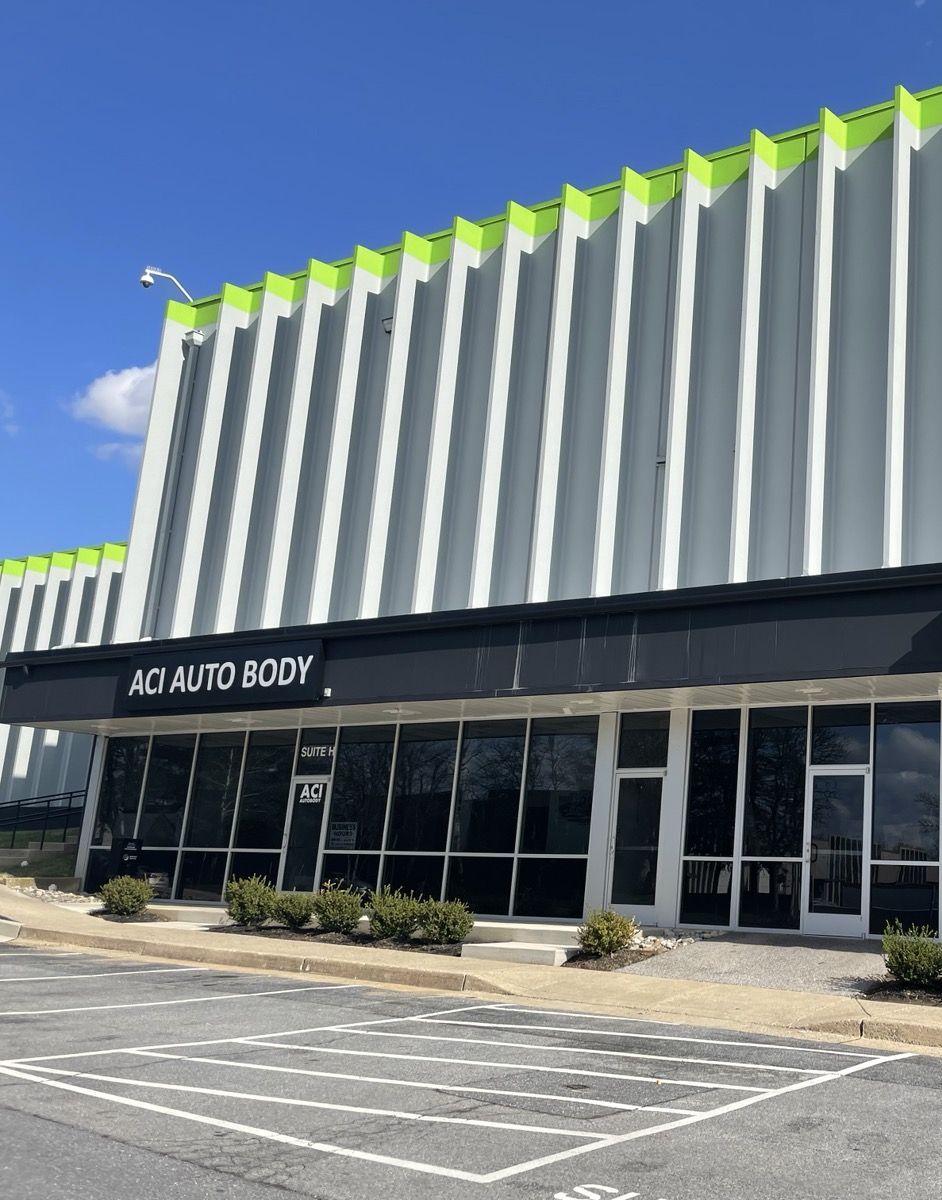
The lock is only one part of the opening. Burglars rarely pick a storefront lock; they pry the door, spread the frame, or break the glass.
- Door closers keep the door latched. A closer that is out of adjustment lets the door stand open a quarter inch, and the deadlatch never engages.
- Pivots and continuous hinges. Worn pivots let the door sag, misalign the latch and give a pry bar a gap to work in. A continuous (full-height) hinge fixes sag for good on a heavy door.
- Latch guards and astragals. A steel plate over the latch area stops a pry bar or a credit card from reaching the latch. On a pair of doors, an astragal covers the gap between the leaves.
- Glass. Tempered glass shatters into pebbles and lets someone through in seconds. Laminated glass or a security film holds together when struck and turns a smash-and-grab into a noisy, slow job that usually gets abandoned. Insurers and landlords increasingly ask for one or the other on ground-floor retail.
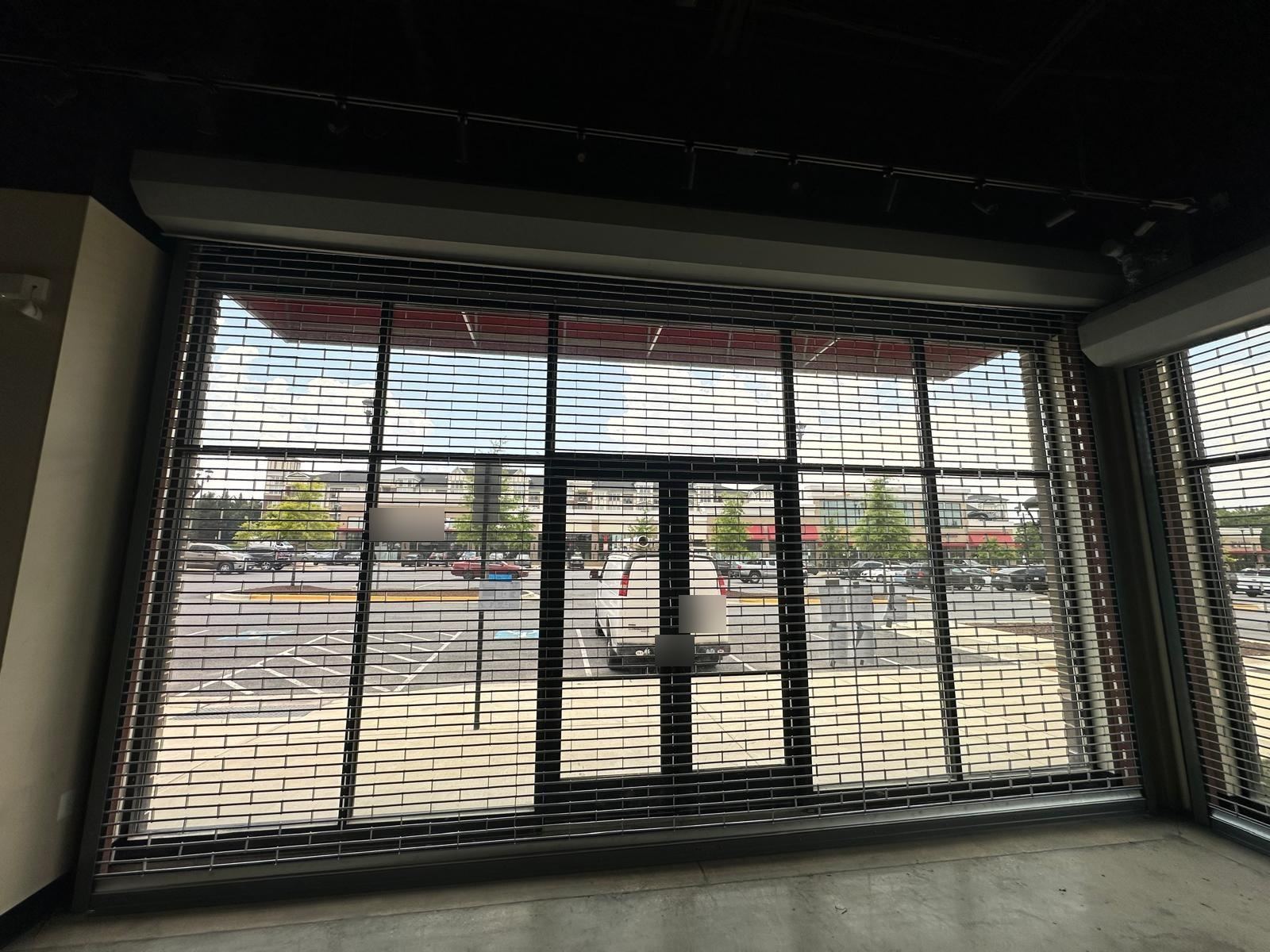
- Roll-down grilles and scissor gates. For a shop that has been hit before or sells high-value goods, a grille over the storefront after hours is the most visible deterrent available. Grilles need their own locks, usually a pair of cylinders at the bottom rail, and those should be high-security and keyed into your system.
Exit Hardware: Everyone Out Without a Key
DC’s construction codes, based on the International Building Code and the fire code and published by the Department of Buildings, require that doors in the path of exit can be opened from inside without a key, a tool or special knowledge. For many retail and assembly spaces, that means panic hardware: the horizontal push bar that unlatches the door when pushed.
What that means in practice:
- A double-cylinder lock that needs a key from inside is not permitted on an exit door in an occupied business, even if it would be more secure. The solution is a lock that is secure from outside and opens with one motion from inside.
- Panic bars come in grades and types. Rim exit devices mount on the door surface and are the most common. Concealed vertical rod devices keep a clean look on a glass door. Von Duprin, Sargent, Yale, Arrow, Marks and General Lock are the brands we install most. A device must be listed for panic or fire exit use, and it must not be chained, wedged or blocked at any time the building is occupied.
- Alarmed exit devices sound when a rear or side exit is used. They keep a back door from becoming a shoplifting exit without locking it.
- Delayed egress and electrified exit devices are an option for some occupancies but need approval and must release on fire alarm and power loss. Do not install these without checking the rules for your space.
- Signage and night latch. After hours, when nobody is inside, the exit door can be dogged or locked with a key. During business hours it cannot. Most exit devices have a cylinder “dogging” feature for this, and a sign stating the door must remain unlocked during business hours is required on some doors.
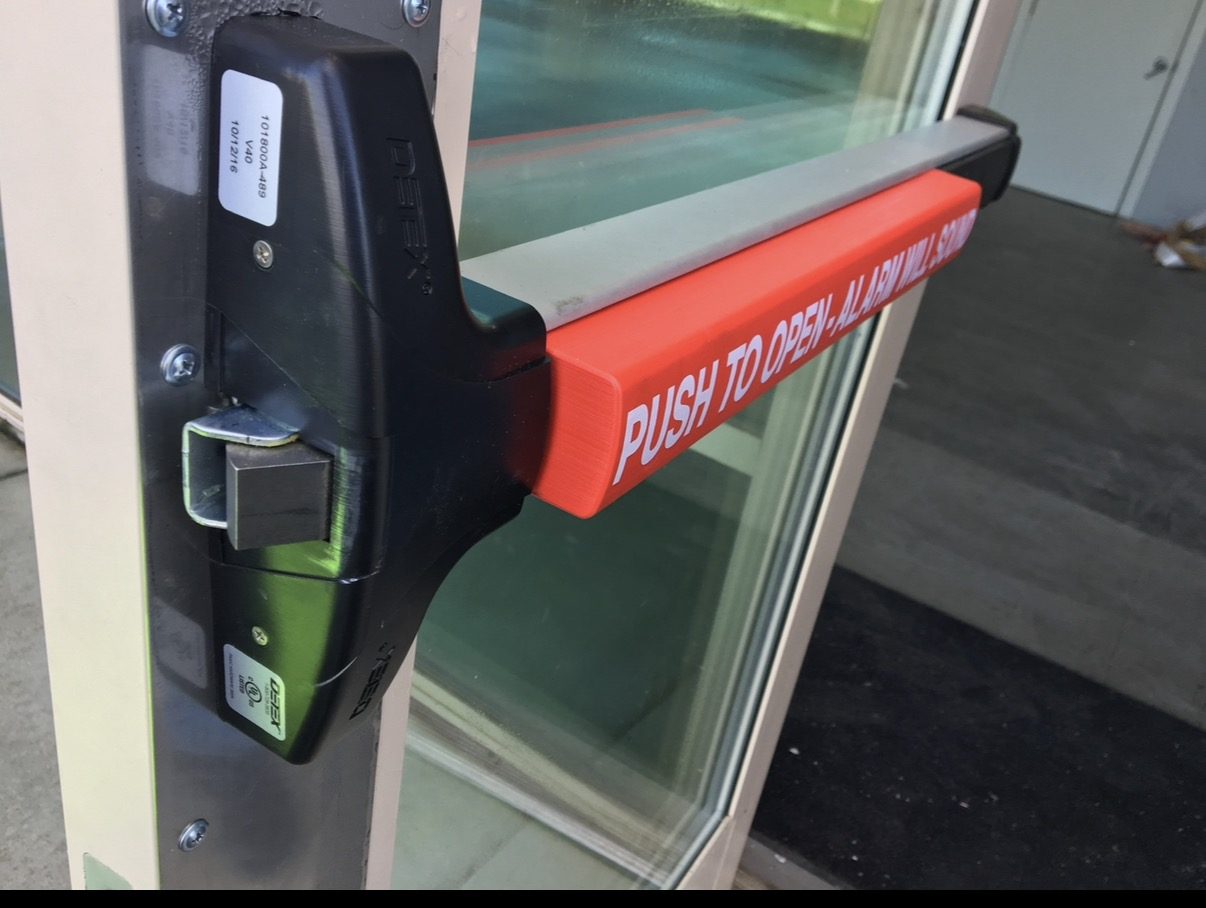
If a fire inspector has written you up for a chained door or a double-keyed deadbolt, this is the fix. If you are not sure whether a door needs panic hardware, ask before installing anything, because changing it later costs more.
If the entrance also needs to open automatically for accessibility, the operator, the lock and the exit device have to work together. See our page on ADA door operators.
Keys, Staff and Rekeying
Retail staff turnover is the reason storefront keys get out of control. A few practices keep it manageable:
- Rekey when a keyholder leaves without returning a key, or when a key is lost. Because storefront locks use mortise cylinders, rekeying is quick and does not require new hardware. Our rekey or replace guide explains the options.
- Use a restricted keyway for the front door, the grille and the office. Restricted or patented keys such as Medeco or Mul-T-Lock cannot be copied at a hardware store, so a departing employee’s “spare” is not a risk. Our post on high-security locks and restricted keyways covers what they do and do not protect against.
- A small master key system lets the owner’s key open everything while a manager’s key opens the front door and stockroom and a staff key opens the front door only. This is cheap to set up on a storefront with four to ten doors and saves the owner from carrying a ring of keys.
- Interchangeable core (IC) cylinders let you swap a core in seconds with a control key, which is the fastest way to handle a lost key across several doors or several locations.
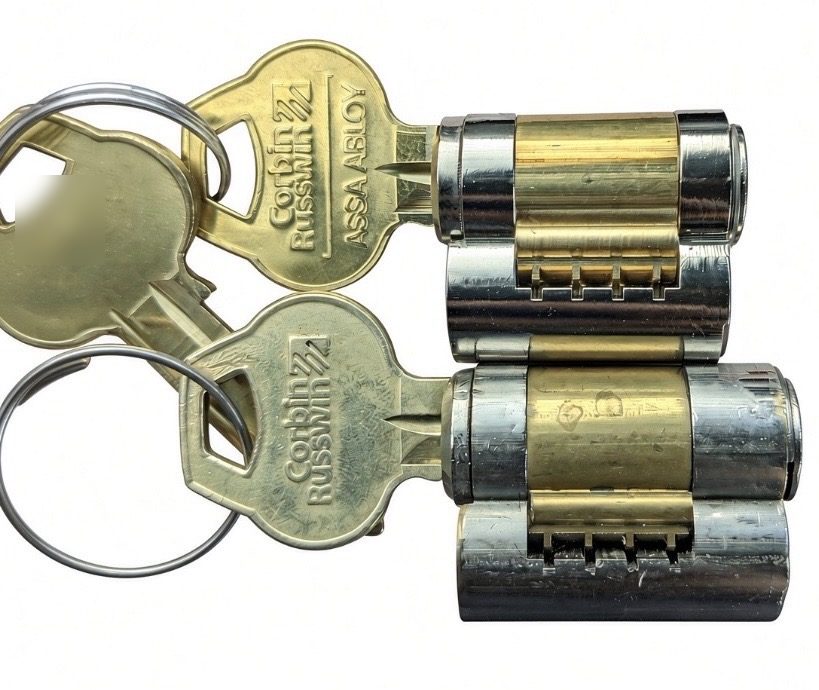
For a business with more than a handful of staff, a keypad or card reader on the staff entrance takes keys out of the equation entirely. Codes and cards can be deleted the day someone leaves. See our access control services.
Cameras, Alarms and the Rest of the Front
The door is the priority, but a storefront security plan usually also includes:
- A camera on the register and one on the door, recording continuously during business hours and on motion after close. Our camera planning guide covers recording, retention and privacy.
- Glass-break and door-contact sensors on an alarm system, so a smashed window after hours gets a response.
- Lighting inside the storefront after hours, so a passer-by or a camera can see someone inside.
- A safe that is bolted down and rated for the cash on hand, with the combination changed when a manager leaves. See our safes and vaults services.
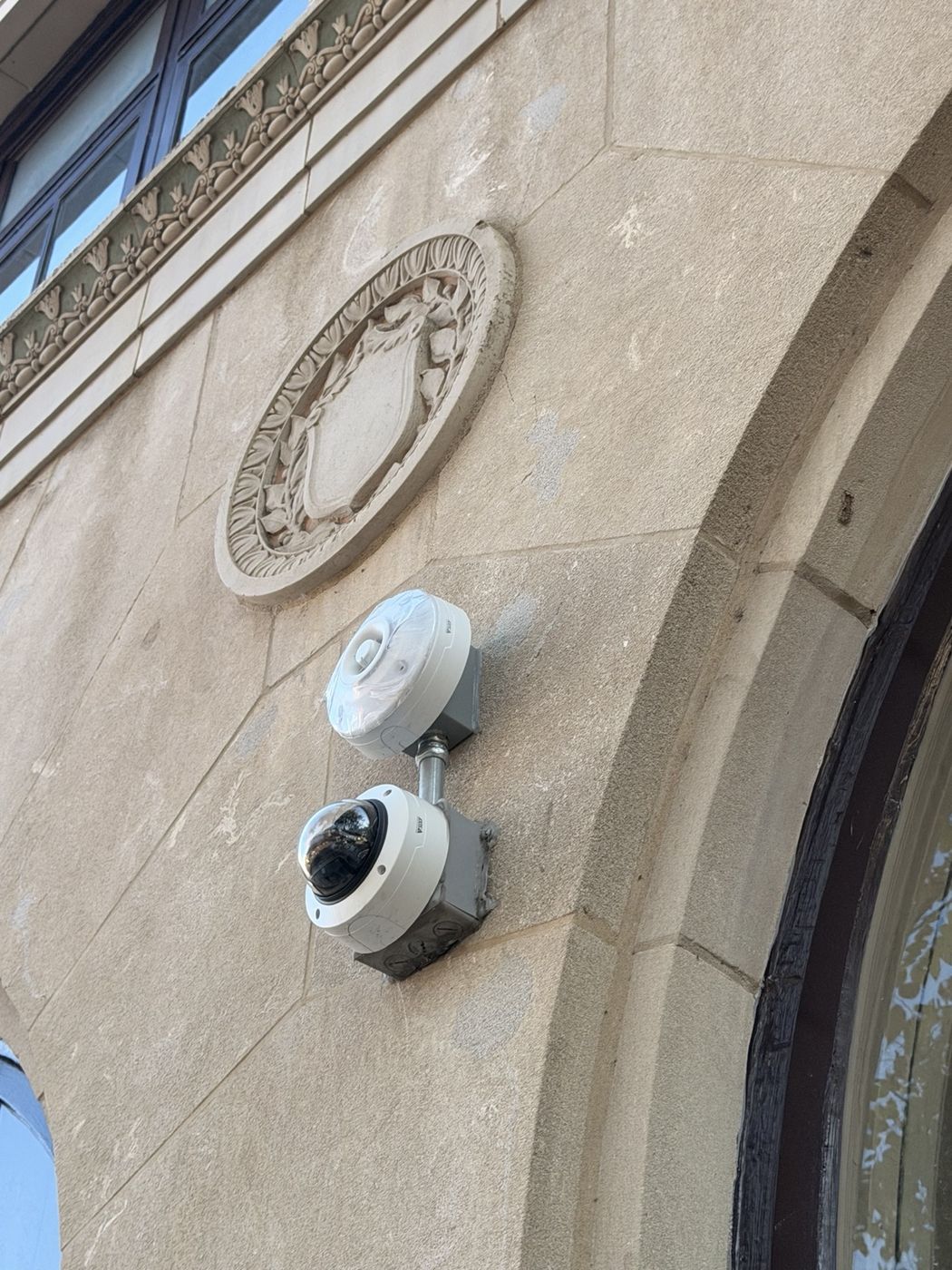
DC’s Private Security Camera Rebate Program has covered some business installations in the past; check the current program terms before buying.
How RBD Security Works With DC Storefronts
RBD services storefront doors, exit hardware and commercial locks across Washington, DC and the Maryland and Virginia suburbs. A typical first visit checks the door alignment, closer, latch and cylinder, confirms whether the door needs panic hardware, and sets up a keying plan that fits the number of staff. We install and repair deadlatches, hook bolts, exit devices, closers, latch guards, continuous hinges and grille locks, and we rekey or master-key the cylinders on the spot. For a storefront that needs a steel gate, window bars or a custom grille, our welding shop fabricates it.
Read more about our commercial locksmith services.
Frequently Asked Questions
What kind of lock goes on an aluminum glass storefront door?
A narrow-stile deadlatch for daily use, often paired with a hook-bolt deadlock for after hours. Both use standard mortise cylinders that can be rekeyed or upgraded to high-security.
Can I put a double-cylinder deadbolt on my shop door?
Not on an exit door while the business is occupied. DC’s codes require exits to open from inside without a key. Use a lock that is secure from outside and opens with one motion from inside, or an exit device.
Does my store need a panic bar?
It depends on the occupancy and the number of people the space is designed for. Many retail and all assembly spaces above a certain size require panic hardware on exit doors. Ask a locksmith or DOB before buying hardware.
How do I stop ex-employees from using old keys?
Rekey the cylinders when a key is not returned, move the front door and office to a restricted keyway so keys cannot be copied, or put the staff entrance on a keypad or card reader so access can be deleted instead of recovered.
Secure Your Storefront
Call RBD Security at (202) 709-9466 for storefront lock repair, exit hardware, rekeying and master key systems in Washington, DC, Maryland and Northern Virginia. Send a photo of the door and we can usually quote before the visit.