
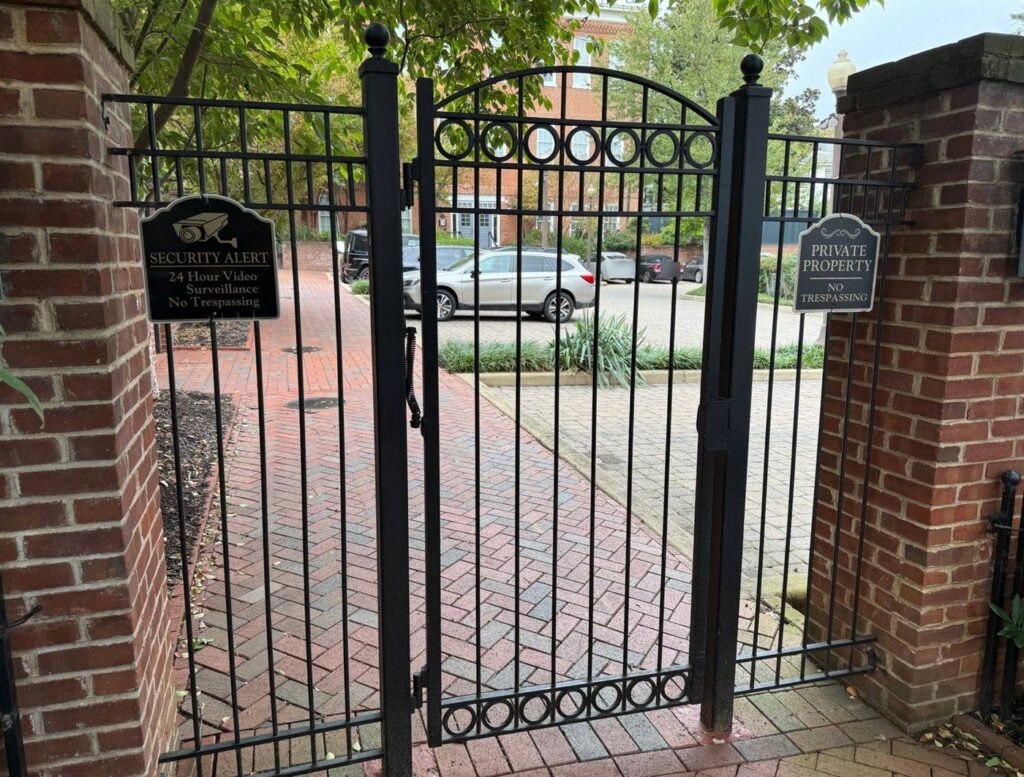
Custom fabrication is useful when a gate or railing must fit an unusual opening, follow a stair or slope, match existing metalwork, or accommodate security hardware. For DC rowhouses and older commercial properties, those details can matter as much as the material itself.
A standard panel can be a good choice when its dimensions, performance and appearance suit the job. Custom work is worth comparing when the property needs something that a standard system cannot provide without substantial modification.
RBD’s custom welding services include gates, railings and window bars, with on-site work and shop fabrication available.
When Custom Fabrication Makes Sense
Uneven openings. A measured design can accommodate irregular masonry and nonstandard openings. If a pier or step is moving, repair the underlying problem before treating the mismatch as a fabrication issue.
Stairs and slopes. Rails and posts need to follow the actual layout while preserving the required dimensions, grip and clearance.
Existing ornamental details. Pickets, finials, scrolls and post caps can be designed to complement surviving metalwork. On a historic property, first establish which features should be repaired or retained.
Security hardware. A gate can be designed with suitable lock preparation, protected wiring routes and operator attachment points before it is finished.
Custom does not automatically mean stronger or longer-lasting. Compare the material sizes, weld details, supporting structure, finish and installation—not just whether the piece was made to order.
Repair or Replace an Existing Railing?
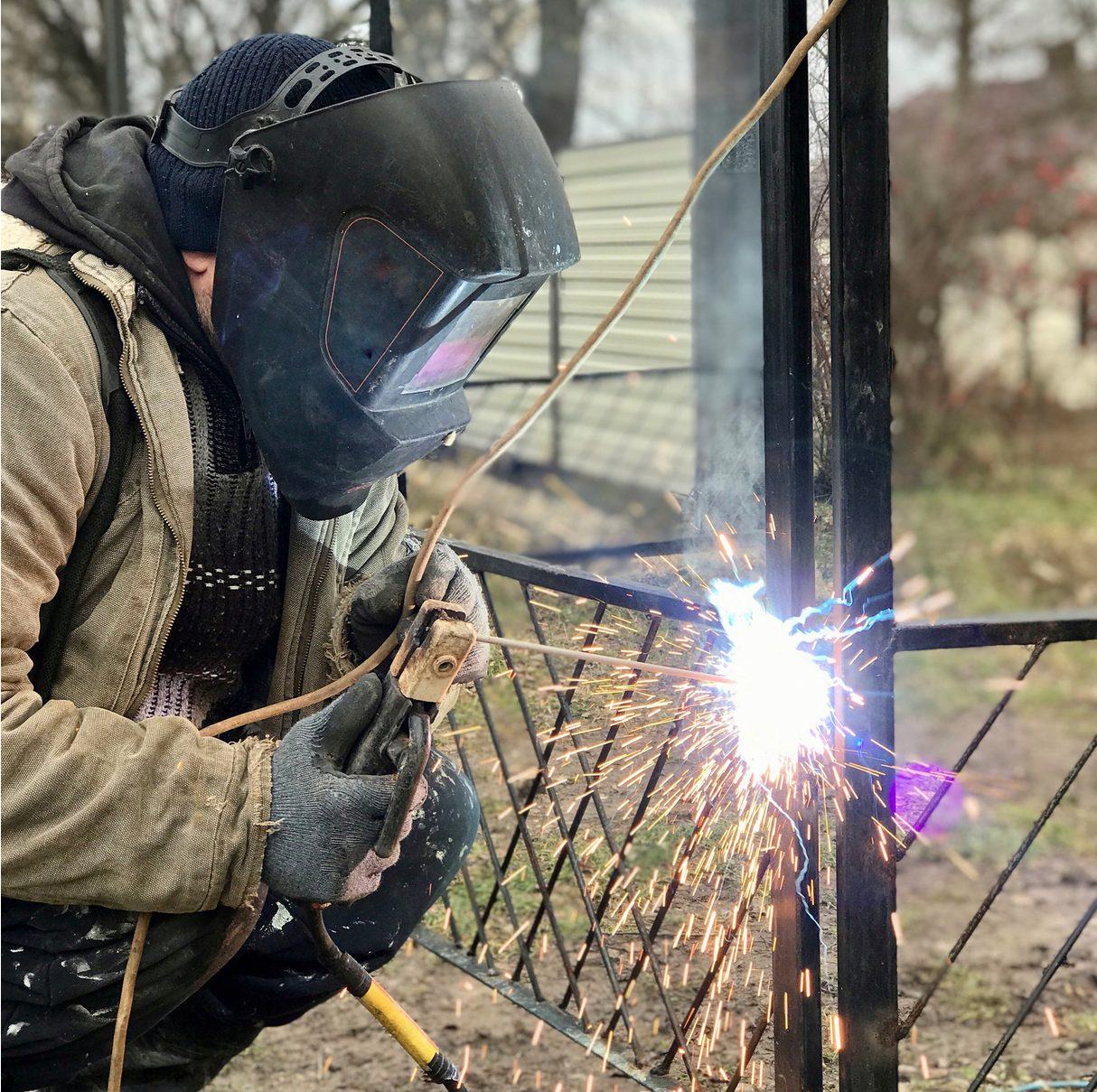
Surface rust and a worn finish are different problems from thinning posts, failed welds or loose anchors. Before deciding on repairs, inspect the full assembly, including where posts meet stone, masonry or concrete.
A repair proposal should explain which sound material remains, which components will be replaced and how the attachment and finish will be restored. Welding a patch onto badly deteriorated steel may leave the main weakness in place.
For historic metalwork, identify the material before choosing a repair method. Steel, cast iron and wrought iron are not interchangeable materials, and a suitable repair can depend on that distinction. The National Park Service provides guidance on retaining and repairing architectural cast iron.
Steel, Aluminum and the “Wrought Iron” Description
Steel offers many fabrication and repair options. Exterior steel needs a coating system and maintenance appropriate to its exposure.
Aluminum weighs less than steel and can be useful where gate weight matters. Suitable designs can meet demanding applications; judge the complete assembly rather than assuming the material alone establishes its strength.
Ornamental metalwork is a clearer description than assuming that every traditional-looking railing is wrought iron. Ask the fabricator to identify the material in the proposal and confirm how a replacement will relate to any historic elements being retained.
Finishes and Corrosion Protection
Ask for the preparation and coating specification, not just a color name.
| Finish | Useful considerations |
|---|---|
| Primer and paint | Can be practical for on-site work and future maintenance; preparation and product selection matter |
| Powder coating | Offers a factory-applied finish; performance depends on preparation, formulation and application |
| Hot-dip galvanizing | Adds a zinc coating; the fabrication must be designed for proper venting, drainage and the galvanizing process |
| Galvanizing with a compatible topcoat | Combines zinc protection with a painted or powder-coated appearance |
The American Galvanizers Association describes galvanizing with paint or powder coating as a duplex system. It can improve corrosion protection, but the coating system and preparation must suit the application. It is not a fixed service-life guarantee for an individual railing.
Ask how field welds, cut edges, handling damage and future touch-ups will be treated. Inspect finished metalwork periodically, especially at bases, joints and locations exposed to persistent moisture or deicing salts.
For hollow galvanized fabrications, the AGA’s venting and drainage guidance explains why those details must be designed into the piece.
Guards, Handrails and Stoop Design
A guard helps prevent a fall from an open edge. A handrail provides a graspable support along stairs or a ramp. A decorative top rail does not automatically satisfy both functions.
The DC Building Code generally requires guards at least 42 inches high, with 36-inch allowances in specified residential settings and separate exceptions for stair guards. Stair handrails are generally 34 to 38 inches above the tread nosings. The applicable code, occupancy and existing-building provisions determine the requirements for the project.
Have the design establish the required height and graspability, opening limits, post spacing and anchor design before fabrication. Reproducing a nearby railing does not establish that the new installation meets the applicable requirements.
Alley Gates and Access-Control Hardware
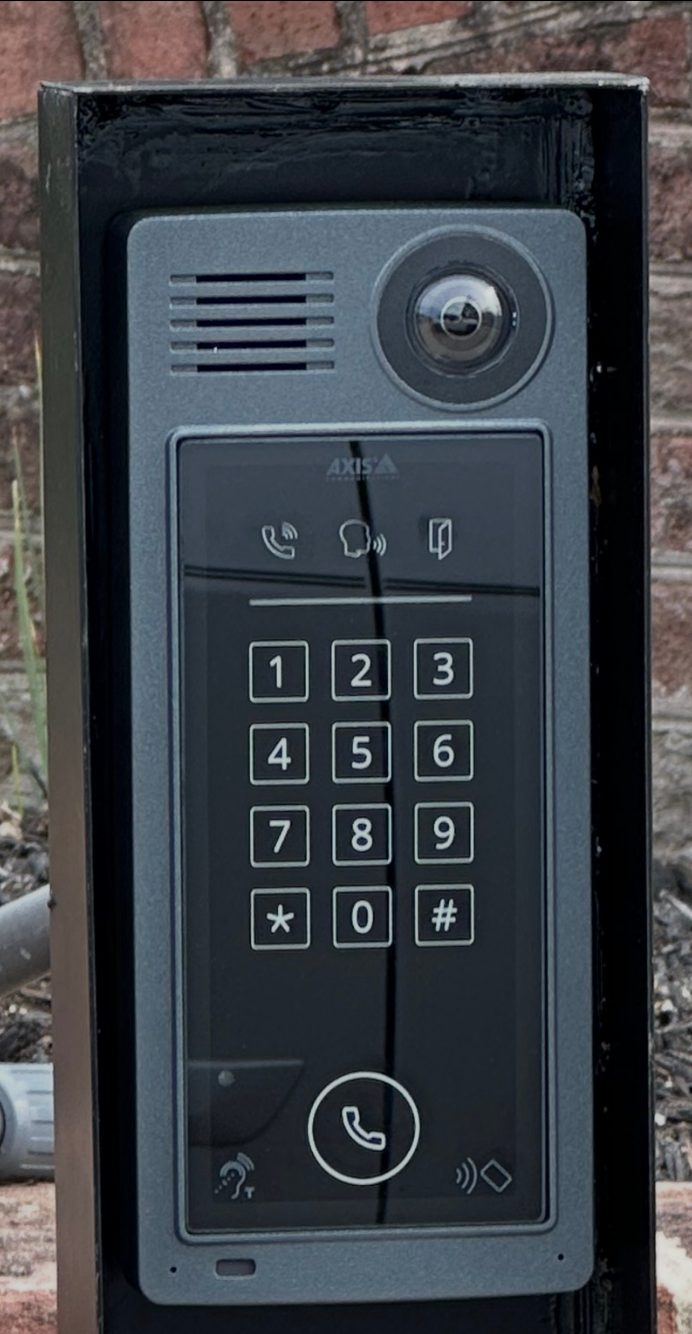
The video intercom shown here sits on a steel post RBD welded for that entrance, a small example of planning the metalwork and the electronics together.
For a rear gate, plan how people and vehicles will use it. Check swing clearance, pedestrian access, latching, drainage and the supporting posts or masonry. Solid infill can add privacy, but it also changes wind loading and may affect automated-operator selection.
Where electric locking or an intercom is planned, coordinate the lock, frame preparation, power and wiring route. An electric strike or magnetic lock must suit the gate’s use and required exit operation. An intercom’s unlock button does not, by itself, establish compliant egress.
See RBD’s access control services for related planning. If the gate will be automated, gate construction and operator selection should be developed together. DoorKing’s gate-safety guidance explains the separate roles of ASTM F2200 gate-construction requirements and UL 325 operator safety.
DC Permits and Historic Review
Start by establishing the property line and the complete scope of work. The permitting route can differ between private property and public space.
Private property. DOB provides a fence-permit service. New work, replacement and repair are not always treated identically, so confirm which permits or exemptions apply.
Public space. Work outside the private property line can require a DDOT permit, including some front-yard improvements. DDOT’s fence and retaining-wall guidance describes the standard limits of 42 inches in height and at least 50 percent openness for fences, with additional review for other designs. This is a public-space framework, not a rule that every private rear security gate must be 42 inches high.
Historic properties. Exterior changes may need HPO review, and Georgetown can involve the Commission of Fine Arts/Old Georgetown Board. Consult the preservation-review guidance before fabrication, particularly when replacing historic features.
Ask who will prepare the drawings, obtain approvals and schedule any required inspections. Permit processing and fabrication lead times should be included in the project schedule.
What to Include in a Welding or Fabrication Quote
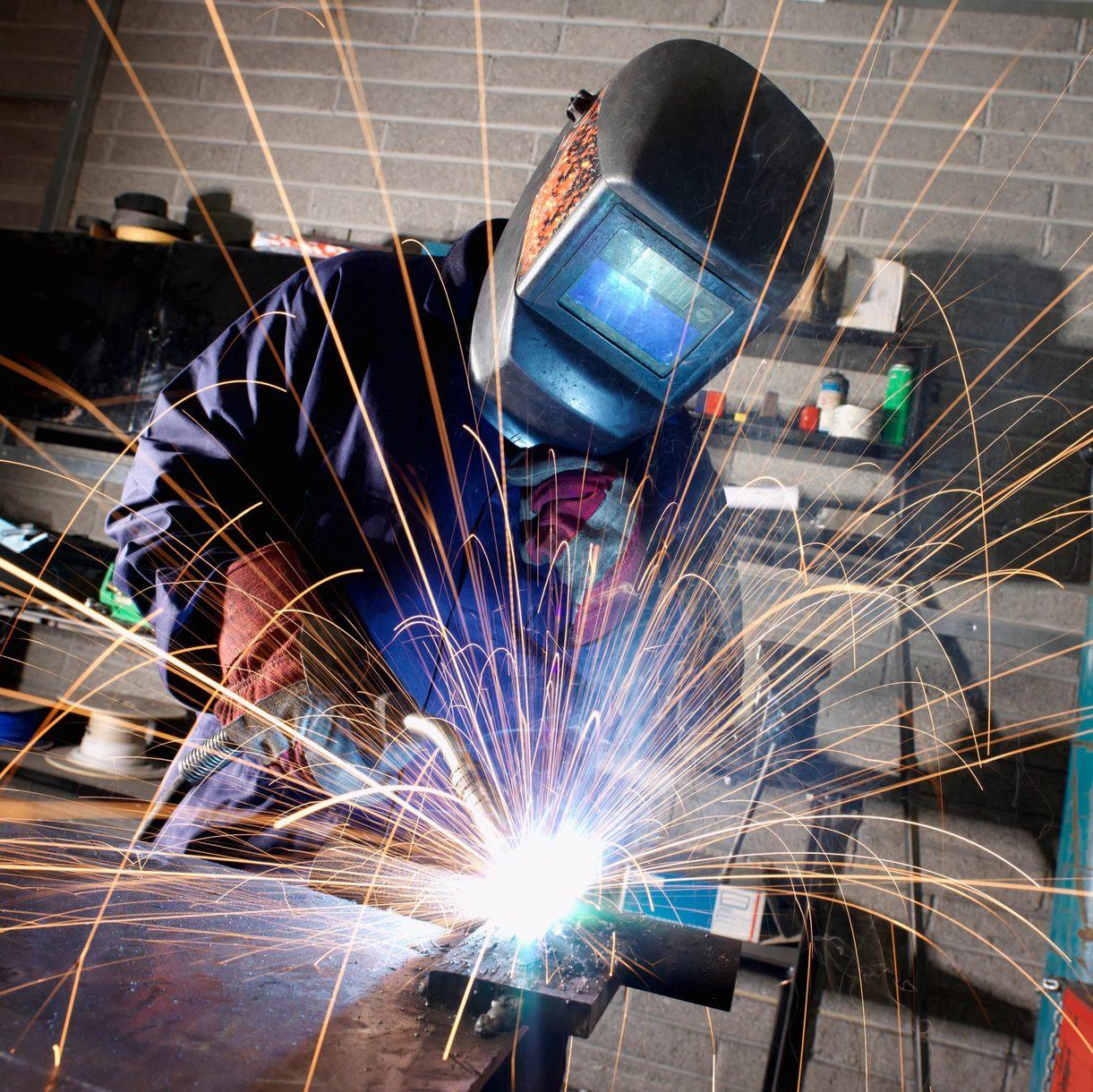
For a useful comparison, ask each proposal to identify:
- Measurements, design drawings, material sizes and finish.
- Repairs to posts, masonry or existing attachment points.
- Locks, hinges, closers and any access-control or operator preparation.
- Removal and disposal of old metalwork.
- Permits, installation, touch-up work and maintenance instructions.
Send clear photos and approximate dimensions at the inquiry stage. Final field measurements should precede fabrication.
Why One Contractor for Metalwork and Security Helps
RBD designs, builds and installs gates and railings, including the locking hardware, and can combine the project with cameras, access control, intercoms and concrete work. Powder coating is done at a partner’s shop, and high-voltage electrical work is handled by a licensed local electrician partner. When a project needs them, RBD can coordinate permits, an architect and a structural engineer for the client. The gate at the top of this article is an example of RBD’s design, fabrication and installation.
We work on rowhouse stoops and alley gates across DC, including historic neighborhoods such as Dupont Circle, and on properties in Maryland and Northern Virginia.
Frequently Asked Questions
Is custom metalwork more expensive than a standard panel?
It can be, especially when measuring, drawings and individual fabrication are needed. Compare the total installed scope, including modifications a standard panel would require.
Can an existing railing’s design be matched?
Often, a similar pattern can be fabricated. The material, remaining condition, required dimensions and any preservation requirements should be assessed first.
Can a custom gate include an electric lock or opener?
Yes, when the gate and hardware are designed together. Exit operation, wiring, structural support and any automated-gate safety requirements must be addressed as part of the system.
Do I need a permit for a fence or railing in DC?
Requirements depend on the location and scope. Check DOB for private-property work, DDOT for public-space work, and HPO where historic review applies.
Discuss Your Gates, Railings or Welding Repairs
Call RBD Security at (202) 709-9466 to discuss custom gates, railings and welding repairs in Washington, DC, Maryland and Northern Virginia. See our custom welding services.